What essential gear do I need for a day hike?
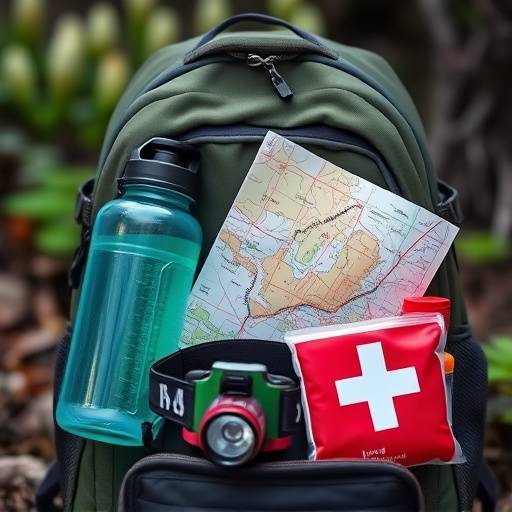
For a typical day hike, prioritize the "Ten Essentials" for safety and comfort:
- Navigation: Map, compass, and/or GPS device.
- Sun Protection: Sunglasses, sunscreen, and a hat.
- Insulation: Extra clothing layers, even on warm days.
- Illumination: Headlamp or flashlight with extra batteries.
- First-Aid Supplies: A well-stocked first-aid kit.
- Fire: Matches, lighter, or fire starter (check fire restrictions).
- Repair Kit and Tools: Knife, duct tape, cordage.
- Nutrition: Extra food beyond your needs.
- Hydration: Water bottles or hydration reservoir, and a way to purify water if needed.
- Emergency Shelter: Lightweight tarp, bivy sack, or space blanket.
Additionally, wear sturdy, broken-in hiking boots or shoes, and consider trekking poles for stability.
How should I prepare for changing mountain weather?
Mountain weather can be unpredictable and change rapidly. Here’s how to prepare:
- Check the Forecast: Always check the weather forecast specifically for the mountain region you're visiting before you leave and even during your hike if possible (e.g., via a reliable weather app on your phone).
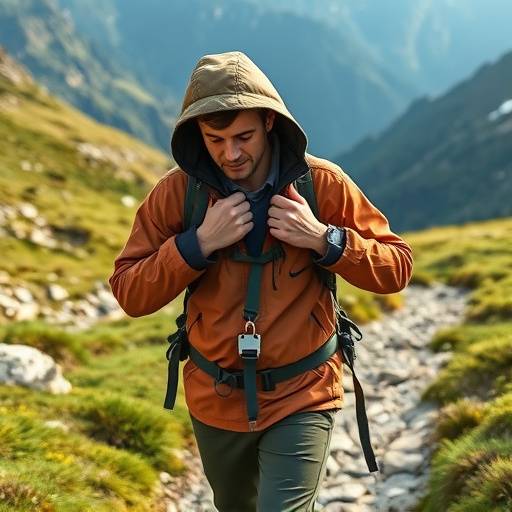
- Layer Your Clothing: Wear moisture-wicking base layers, an insulating middle layer (like fleece or down), and a waterproof/windproof outer shell. This allows you to adjust to changing temperatures and conditions. Avoid cotton, as it holds moisture and can make you cold.
- Be Prepared for Extremes: Even on a sunny day, temperatures can drop significantly at higher elevations. Be ready for rain, wind, and even snow, especially outside of peak summer months.
- Stay Informed: Pay attention to signs of changing weather, such as darkening skies, increasing winds, or distant thunder. If severe weather is approaching, it’s often best to turn back or seek safe shelter.
Remember, hypothermia can occur even in mild temperatures if you become wet and are exposed to wind.
How do I understand trail difficulty ratings on your website?
We use a standardized system to help you choose the right trail for your abilities. Our difficulty ratings are based on a combination of factors:
- Easy: Generally flat or gently sloping, well-maintained trails, suitable for most fitness levels and families. Typically shorter distances.
- Moderate: May involve steeper inclines, uneven terrain, and longer distances. Requires a reasonable level of fitness.
- Challenging: Steep ascents/descents, significant elevation gain, rough or rocky terrain, and longer distances. Requires good physical fitness and hiking experience.
- Strenuous: Very steep, rugged terrain, significant elevation changes, and/or long distances. May involve scrambling or require specialized navigation skills. Only recommended for experienced and highly fit hikers.
In addition to the rating, we provide details on trail length, elevation gain, estimated time, and typical terrain to give you a comprehensive picture. Always assess your own fitness and experience realistically.
What should I do in case of a hiking emergency?
Your safety is paramount. In an emergency, stay calm and follow these steps:
- Assess the Situation: Determine the nature of the emergency (injury, lost, severe weather).
- Stay Put (If Lost): If you are lost, stay in one place. It's easier for rescuers to find you if you aren't moving. Use the "STOP" acronym: Stop, Think, Observe, Plan.
- Administer First Aid: If someone is injured, provide appropriate first aid using your kit.
- Signal for Help: Use a whistle (three short blasts is a universal distress signal), mirror, brightly colored clothing, or your phone if you have service.
- Call for Help: If you have cell service, call emergency services (e.g., 911 or local equivalent). Provide your exact location, the nature of the emergency, and the number of people involved.
- Conserve Resources: Ration food, water, and battery power.
It's also advisable to inform someone of your hiking plans, including your route and expected return time, before you set out.

What wildlife should I be aware of, and how should I behave?
Our hiking regions are home to diverse wildlife. Respecting their space is crucial for both your safety and their well-being.
- Bears: Make noise while hiking (talk, sing) to avoid surprising them. Carry bear spray and know how to use it. Never feed bears or leave food unattended. Store food properly.
- Mountain Lions: Make yourself look large if you encounter one, and never run.
- Snakes: Be aware of your surroundings, especially in rocky or brushy areas. Do not approach or handle snakes.
- Deer and Elk: Maintain a safe distance, as they can be unpredictable, especially during mating seasons.
General Rule: Observe wildlife from a distance. Never feed wild animals. Keep your campsite clean and store food securely. If you encounter any animal acting aggressively, back away slowly and calmly.

How can I best use your website to plan my hikes?
Our website is designed to be your comprehensive resource for planning mountain adventures. Here’s how to get the most out of it:
- Homepage: Get a quick overview of what we offer, featured trails, and recent updates.
- Guides Section: Explore detailed trail descriptions, including maps, photos, difficulty ratings, length, elevation gain, and estimated times. You can often filter these by region, difficulty, or type of activity.
- FAQ Page: (You're here!) Find answers to common questions about hiking, safety, and using our services.
- About Us: Learn more about our mission, our team of experienced guides, and our commitment to responsible adventure.
- Contact Page: Get in touch with us for personalized recommendations, booking inquiries, or any specific questions not covered here.
We also recommend checking our Accessibility Statement to understand how we strive to make our content usable for everyone.

What is "Leave No Trace," and how can I practice it?
Leave No Trace (LNT) is a set of principles designed to minimize our impact on the natural environment. Practicing LNT ensures that wild places remain beautiful and healthy for future generations.
The seven core principles are:
- Plan Ahead and Prepare: Know the regulations, weather, and terrain. Pack appropriately and have a backup plan.
- Travel and Camp on Durable Surfaces: Stick to trails and designated campsites. Avoid trampling vegetation.
- Dispose of Waste Properly: Pack it in, pack it out. This includes all trash, food scraps, and even biodegradable items. Bury human waste at least 200 feet from water, trails, and campsites.
- Leave What You Find: Preserve the past: examine, but do not disturb, cultural or historic structures and artifacts. Leave rocks, plants, and other natural objects as you find them.
- Minimize Campfire Impacts: Use established fire rings where permitted, or opt for a camp stove. Keep fires small and ensure they are completely extinguished.
- Respect Wildlife: Observe from a distance. Do not feed wildlife. Secure your food.
- Be Considerate of Other Visitors: Respect other visitors and protect the quality of their experience. Yield to other hikers. Keep noise levels down.
By adhering to these principles, you help protect the delicate ecosystems we love to explore.

Do I need permits for any of the hikes listed?
Permit requirements can vary significantly depending on the specific park, forest, or protected area, and the type of activity (e.g., day hiking, overnight camping, specific peak ascents).
We strive to list known permit requirements within each trail guide in our "Guides" section. However, regulations can change, so it is **your responsibility** to:
- Check Official Sources: Always verify current permit requirements with the managing authority of the area (e.g., National Park Service, Forest Service, local land management agency).
- Plan in Advance: Some popular permits must be obtained months in advance, especially for overnight stays or guided expeditions.
- Understand Fees: Be aware of any associated fees for permits, parking, or entrance into specific areas.
If you are unsure about permit requirements for a particular hike, please do not hesitate to contact us through our Contact page , or reach out directly to the relevant park or forest service office.